Today, vaccines protect billions of people from deadly diseases, and for many, the fear of once-devastating viruses like smallpox is a distant memory. But the journey to this life-saving innovation began with a risky and revolutionary experiment—one that changed the course of medicine forever.
For centuries, smallpox was one of the most feared diseases on Earth. In 18th-century Europe, it claimed the lives of an estimated 400,000 people each year. Survivors were often left disfigured or permanently blind. But one thing was known: those who survived the illness never caught it again. This observation led to a desperate early practice called variolation—the forerunner of vaccination.
Before Vaccines: Variolation’s Risky Gamble
Variolation involved deliberately infecting healthy individuals by applying pus from smallpox sores into small cuts on their skin. It was dangerous and controversial, but often less deadly than catching smallpox naturally. Still, it was far from safe—and far from ideal.
A Milkmaid’s Claim and a Spark of Genius
Enter Edward Jenner, an English physician with a curious mind and a keen ear. One day, he overheard a milkmaid confidently declare,
“I shall never have smallpox, for I have had cowpox.”
Cowpox was a far milder disease that milkmaids sometimes caught from infected cows, causing only minor symptoms in humans. Jenner wondered: Could cowpox offer immunity to smallpox? Could it be used to protect people safely?
The First Vaccine in History
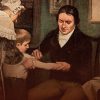
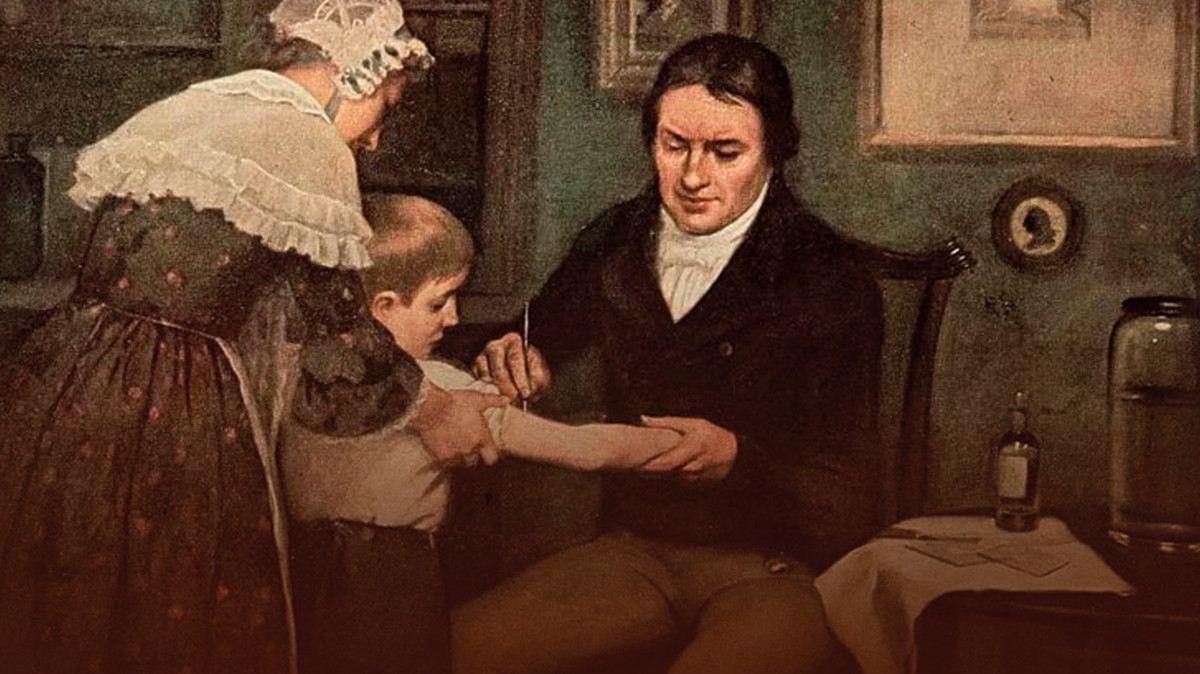
In May 1796, Jenner put his idea to the test. He found a local milkmaid with fresh cowpox sores on her hand and collected pus from one of the lesions. He then injected it into an 8-year-old boy, James Phipps, the son of his gardener.
The boy developed mild symptoms—fever, fatigue, and soreness—but recovered quickly. Two months later, Jenner exposed him to live smallpox, in what would today be considered an incredibly high-risk trial. But the result was astonishing: James did not get sick. He had been protected.
This marked the first successful vaccination in history. Jenner called the technique vaccination after vacca, the Latin word for “cow.” His work sparked a global shift in medical science and disease prevention.
A New Era of Medicine
Jenner’s discovery eventually led to the eradication of smallpox—the first and only human disease to be wiped from the face of the Earth. His bold experiment not only saved millions of lives but laid the foundation for the entire field of immunology.
From the hands of a milkmaid to the mind of a visionary, the invention of the vaccine transformed fear into hope.
Today, thanks to Jenner’s legacy, we no longer face smallpox—and countless other diseases are held at bay by the vaccines his work made possible.